


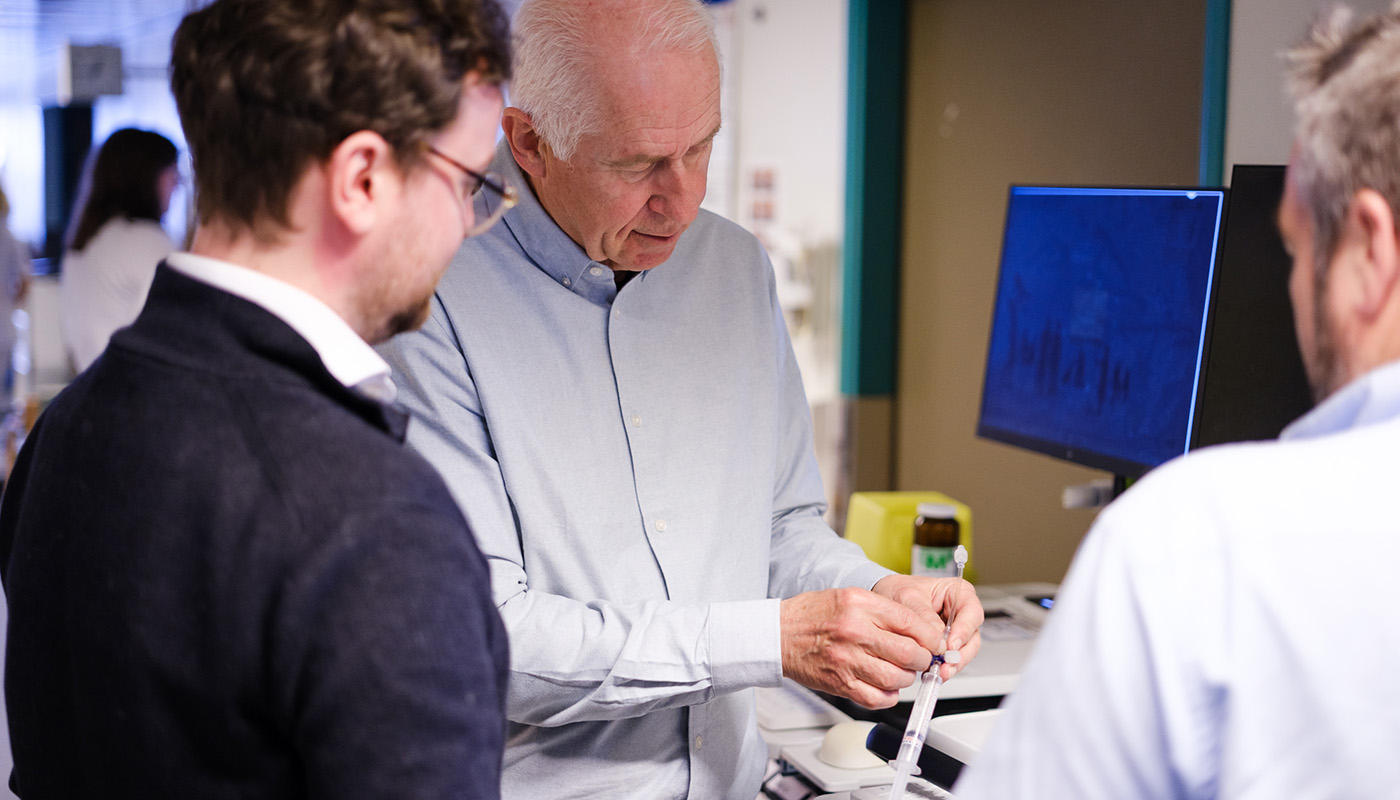
Madsnor, in collaboration with the University of Stavanger (UiS) and Stavanger University Hospital (SUS), has been awarded seed funding from HelseCampus Stavanger for an implementation readiness project focused on abscess treatment.
The project aims to identify organizational and clinical barriers in today’s abscess drainage practices and to prepare healthcare services for future automated drainage solutions.
Percutaneous abscess drainage is a well-established procedure with reported success rates above 80%. Nevertheless, international research and studies conducted in Norwegian hospitals reveal persistent inefficiencies. Despite existing clinical guidelines, practice varies considerably between departments, and evidence-based procedures are not consistently followed.
The project “Preparation for automated abscess drainage: A dialogue on barriers and solutions” deliberately shifts the focus from technology deployment to a more fundamental question: Why is best practice not consistently implemented – and what must change before new technology can succeed?
Our research highlights several systemic challenges that place unnecessary strain on healthcare resources. Approximately 20% of drainage catheters must be replaced due to clogging, up to 30% of patients experience recurrent abscesses, and each treatment episode requires an average of 12 hospital days and 15 hours of healthcare personnel time.
These inefficiencies are not purely clinical. Variations in practice between departments, lack of consensus among physicians, nurses, and radiologists, and coordination challenges that lead to premature termination of treatment all point to organizational barriers. Unless these are addressed, even the most advanced technology will struggle to deliver its full value.
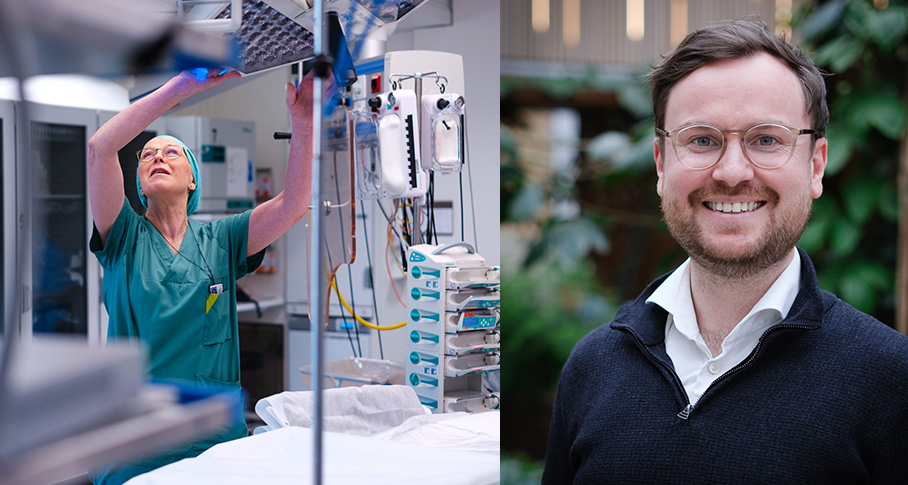
Running from December 2025 to July 2026, the project brings together clinical expertise from SUS, research competence from UiS, and innovation experience from Madsnor. The work is organized into three phases:
Phase 1 – Foundation
A comprehensive literature review of known implementation barriers, combined with recruitment of a multidisciplinary group representing all relevant professional roles.
Phase 2 – Dialogue and Co-creation
A full-day session combining focus group interviews and collaborative workshops. Participants explore barriers from their professional perspectives, work toward consensus on standardized protocols, and identify competency gaps to be addressed through future training.
Phase 3 – Analysis and Development
The findings will support the preparation of a scientific publication and form the basis for developing a targeted training module aligned with identified learning needs.
This seed project establishes a critical foundation for future clinical trials of MADS® technology. By addressing barriers, aligning protocols, and strengthening organizational readiness, we aim to ensure that healthcare systems are prepared not only to adopt new technology, but to realize the change it enables.
With an estimated 16 500 abscess drainage procedures performed annually across the Nordic countries, even modest efficiency improvements could deliver substantial system-wide benefits. This is particularly critical as Norway alone is projected to face a shortage of 180 000 healthcare professionals by 2060. Achieving sustainable gains requires aligning clinical evidence with organizational readiness.
The project is supported by HelseCampus Stavanger and runs from December 2025 to July 2026. Project partners are Madsnor, The University of Stavanger (UiS) and Stavanger University Hospital (SUS).

.svg)
.svg)
.svg)
.svg)
.svg)